More than £1bn will be allocated to social and affordable housing in England in the Budget, pushing total funding for the government’s 10-year housing programme beyond £40bn.
Mayors and regional leaders throughout England are also expected to receive additional powers and financial support in Wednesday’s announcement. Councils will be helped to borrow from the government at preferential interest rates to fund housebuilding projects.
The proposals are intended to give regional leaders greater freedom and authority when making investment decisions.
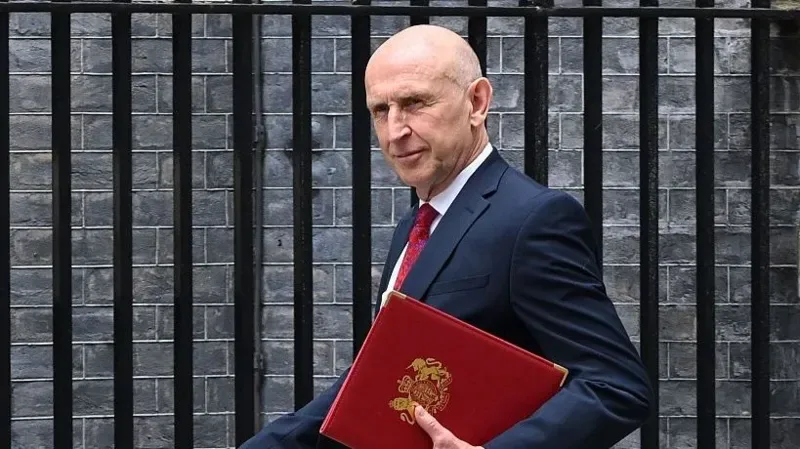
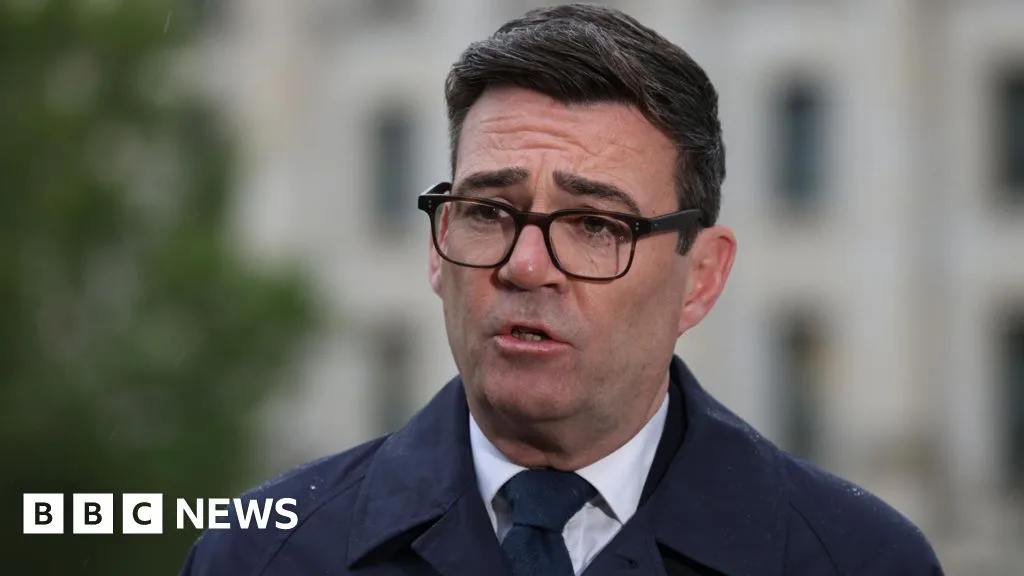
Chancellor John Healey said cities and regions across England would have the “right to decide their own future”, while Prime Minister Andy Burnham said the measures aimed to transfer power to those “who know their communities best”.
The chancellor is also expected to announce additional assistance for small breweries, with the Treasury saying he wants “to turn the tide for our pint producers”.
Meanwhile, the Sunday Times reports that Healey is preparing to announce billions of pounds in additional defence spending in the Budget. More detailed information about the funding is expected to be provided during next year’s spending review.
However, shadow chancellor Andrew Griffith has demanded that Healey resign if he does not explain how the UK intends to spend 3% of its GDP on defence by 2030.
Under the regional funding proposals, the government will provide an initial £285m in transitional seed funding next year to support mayors and local leaders. According to the Treasury, the initiative will also reduce dependence on “fragmented bidding pots” controlled by Whitehall.
The government will also confirm plans to work with mayors to establish a new £1.5bn borrowing facility from 2028, giving them access to the capital required to fund local priorities.
The Treasury said the money could be invested in housing developments, revitalising high streets or upgrading transport connections.
Healey said: “Mayors and local leaders know what their communities need to grow, which is why we are giving them more money, more power and more capacity to get projects moving, build homes and make the right decisions for their areas.”
Regions that have not yet established strategic authorities will also be eligible for a share of the £285m fund to “unlock projects which will contribute to growth in their areas”.
The prime minister said: “I’m calling time on local leaders going cap in hand to Westminster. That is no way to run a country.”
Claire Ward, chairwoman of the UK Mayors Network and Labour’s East Midlands mayor, said providing the “right powers and resources through increased devolution” would enable local leaders to transform “ambitious plans into reality and deliver real, lasting change” for their communities.
Lord Sadiq Khan, Labour’s mayor of London, said increased investment powers could “help unlock transformational infrastructure projects”. These could include the West London Orbital route, extensions to the Bakerloo Underground line and Docklands Light Railway, and improvements to Stratford International station.
However, Healey’s preparations for the Budget have encountered a setback after Alex Depledge, the Treasury’s adviser on entrepreneurship, announced her resignation. She is due to leave the position on Thursday, one day after the Budget.
Speaking to the Sunday Times, Depledge said start-up businesses were being treated as a “sideshow” and should not be relegated to the “margins of economic policy”.
“Keeping scale-ups on the fringes underestimates the contribution of our greatest companies, and we need to support and develop them on British shores at all costs,” she said.
Defence spending has also remained a major issue in the run-up to the Budget. Healey resigned from his position as defence secretary in the previous government in June over the defence investment plan, which he argued fell “well short” of the funding required by the armed forces.
He had advocated increasing defence expenditure to 3% of the country’s GDP by 2030, before moving towards Nato’s 3.5% target for 2035.
Calling on Healey to commit to explaining how the government would reach the 3% target, shadow chancellor Andrew Griffith said: “We are living in an era of extraordinary threats, and yet the chancellor is dithering over finding the money to pay the country’s insurance premium... you cannot have a strong economy without a strong defence”.
Responding to Griffith’s criticism, Defence Secretary Wes Streeting blamed the Conservatives for failing to provide sufficient investment in the military during their time in government.
Streeting said the prime minister had made clear that his administration was “determined to give our armed forces the investment needed to keep us safe”.